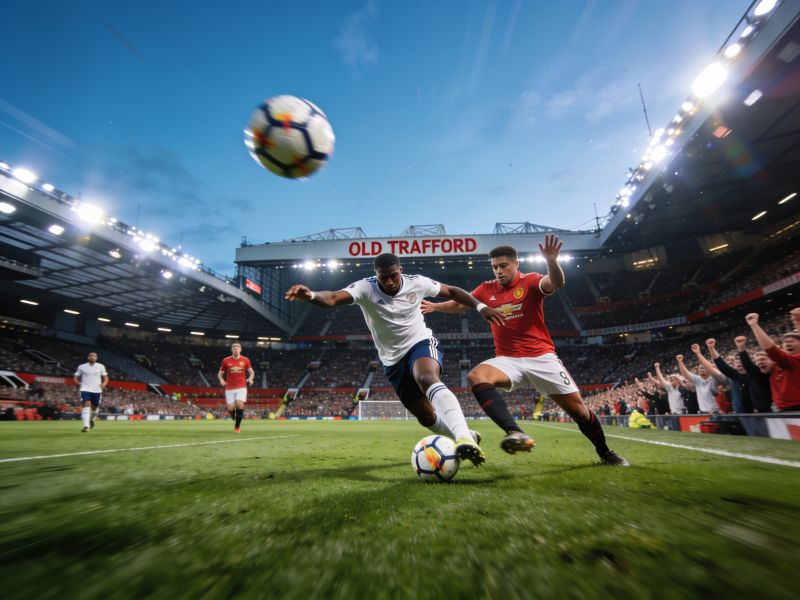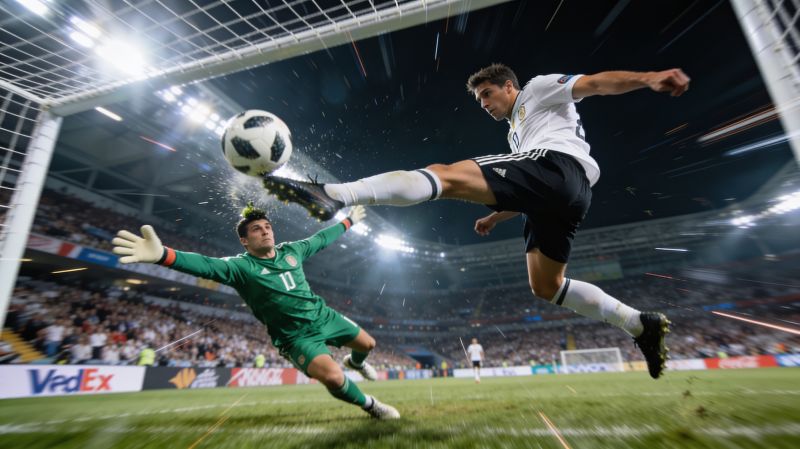
A shot that clips a defender's calf and loops beyond a stranded goalkeeper looks like chaos. It is not. Deflected shot goals sit at the intersection of intent and accident: the shooter cannot control the final path, but the best shooters and teams create the conditions for that path to exist. Watch enough matches and the pattern repeats. A low, hard effort goes through bodies, struck earlier than the defender expects, with the goalkeeper already set for the original line. The deflection does the rest. That is why scouting reports should treat deflected shot goals as more than noise. They are the visible end of a process that starts with a willing shooter, a crowded penalty area, and a defense that has surrendered the clean sight of goal but not the danger. The ball may take a wicked route, yet the threat was manufactured before the touch. A defender who blocks the original line has still changed the ball's flight。and a keeper who commits to the first picture is rarely given a second. A deflection is not a plan, but it is often the residue of a good one.The mechanics are simple and unforgiving. A ball traveling at 60 to 70 mph can change direction by 20 or 30 degrees after a glancing touch, leaving a keeper no time to reset. Goalkeepers read shot shape from the striker's hips。the planted foot, and the angle of the laces. A deflection erases that read in a fraction of a second. Deflected shot goals therefore punish keepers less for poor positioning than for being forced into an early commitment. I have seen elite keepers set low for a daisy-cutter, only for the ball to kiss a defender's boot and rise into the roof of the net. Nobody saves that with technique;
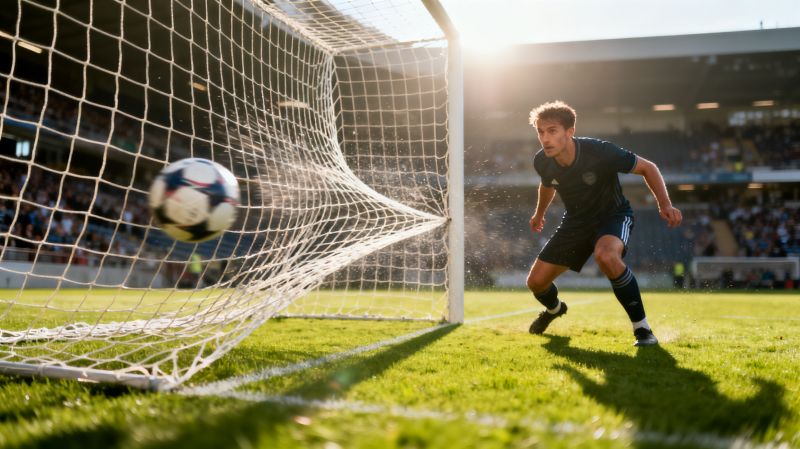
they save it with luck. The shooter's job is not to aim at the defender. It is to make the defender part of the equation by driving the ball into the space where legs and feet already live. Keepers talk about seeing the ball early;deflections make early sight useless. The old keeper's rule—set before the shot, adjust after—collapses when the adjustment window is shorter than a blink.Analytics have complicated the reputation of deflected shot goals. Public expected-goals models often downgrade deflected attempts because the shooter's original intent is hard to capture and the final trajectory is noisy. That is fair for retrospective accounting. It misses the tactical point. A team that shoots through traffic is not merely hoping for a lucky bounce;it is exploiting a known weakness in how defenders and keepers share responsibility. Low blocks invite blocked shots, but blocked shots also produce deflections, rebounds, and scrambled clearances. The threat is not always the ball crossing the line directly. Sometimes it is the second ball falling to a striker who has followed the shot. Coaches who dismiss deflected shot goals as variance tend to overlook the repeatable behavior behind them: early strikes。low driven balls, and runners attacking the rebound before the defense can breathe. The model can call the finish unlucky;the video usually shows a team repeatedly putting the ball into the exact zone where a deflection becomes possible.Coaching a deflection is mostly about encouraging the right kind of selfishness. Players who wait for a clean sight of goal miss the value of a quick strike through a defender's legs. A shot taken a half-second earlier may be blocked, but it may also deflect. The difference between a block and a deflection is often a few inches of body shape and a striker willing to shoot before the lane closes. I have watched academy coaches ban shooting through crowds in training, then watched senior teams win cup ties because a midfielder ignored that instruction and lashed a ball into a defender's shin. Deflected shot goals are not an argument against structure. They are an argument for removing the final hesitation from structured play. The shot still has to be struck with conviction, because a weak effort through traffic is a gift to the defender and a waste of possession. Precision matters。
but so does the courage to fire into a crowd. That courage has to be trained, because the safest pass is always available and always less threatening.Goalkeepers and defenders can reduce the risk, though never eliminate it. Defenders should close shooting angles with their feet rather than lunging。and keepers can delay the dive by half a beat when traffic is heavy. Still, the best preparation is acceptance: deflected shot goals will happen, and teams that treat them as pure randomness miss a repeatable edge. Shoot early. Shoot low through bodies. Follow the rebound. The scoreboard does not ask whether the ball was meant for the corner or the defender's ankle. That blunt reality is why such goals deserve a place in tactical planning rather than only in post-match explanations. A team can practice the habit without pretending it can control the bounce. The habit is the controllable part. The deflection is the tax on a defense that allowed the shot. It is not a glamorous edge, but edges rarely are. Good teams pay that tax often enough to make it look routine.